Thursday, August 15, 2024
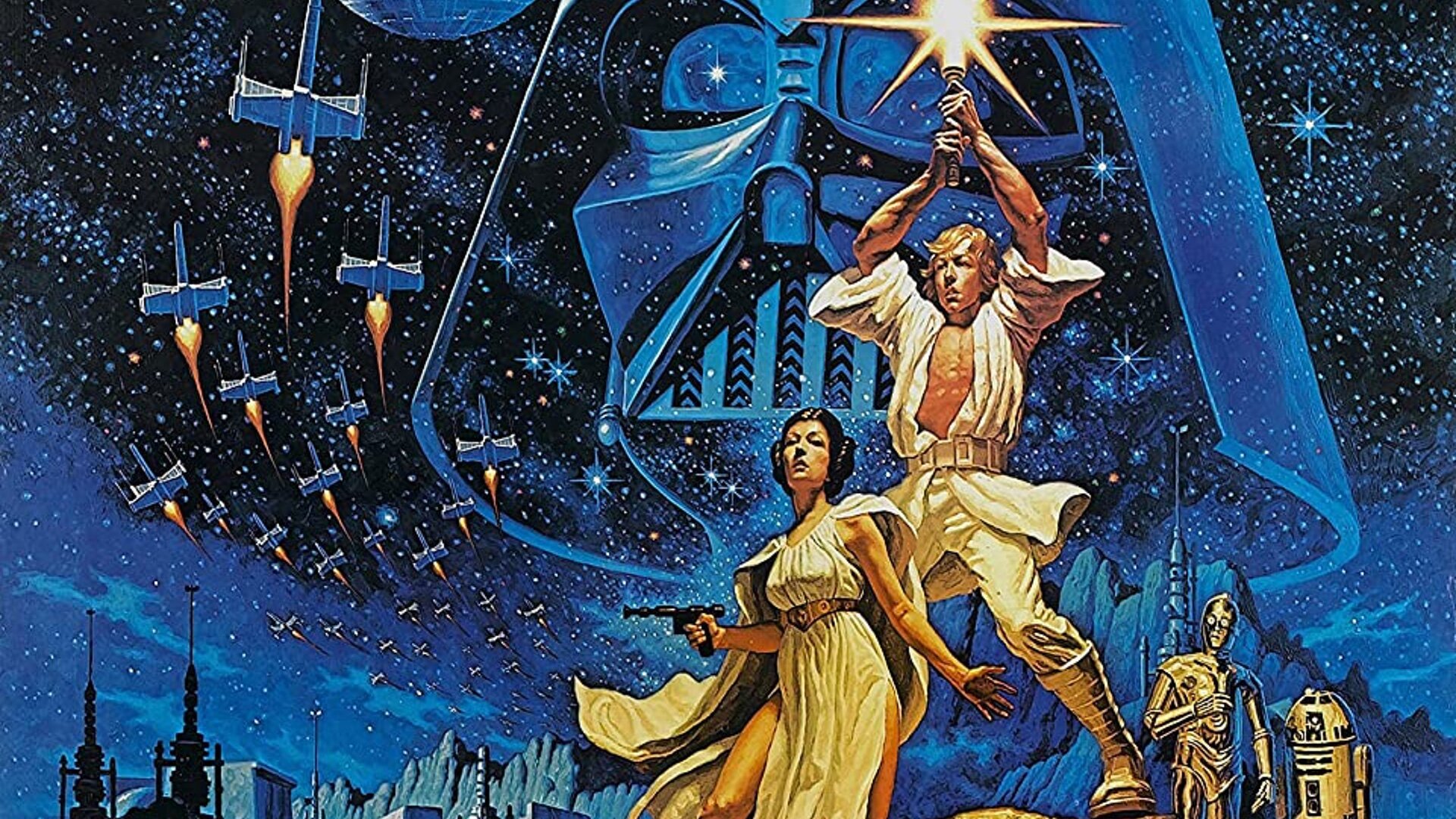
How the Original Star Wars Cutting-Edge Technology Transformed Cinema
When George Lucas released Star Wars in 1977, the film industry was irrevocably transformed. Lucas’s visionary epic not only captured imaginations worldwide but also showcased groundbreaking technology that would redefine filmmaking. Star Wars was a technological marvel of its time, employing innovative techniques that set new standards and paved the way for modern visual effects. Here’s a closer look at how the original Star Wars utilized cutting-edge technology to create a cinematic revolution.
How Peter Jackson's The Lord of the Rings Stays True to J.R.R. Tolkien's Original Work
Peter Jackson’s The Lord of the Rings trilogy stands as a monumental achievement in cinematic history, hailed not only for its breathtaking visuals and epic storytelling but also for its remarkable fidelity to J.R.R. Tolkien's original work. Despite the inherent challenges of adapting a complex and richly detailed fantasy novel into film, Jackson’s adaptation has been widely praised for preserving the spirit and essence of Tolkien’s Middle-earth. Here’s a closer look at how Jackson's films stay true to Tolkien's literary masterpiece.
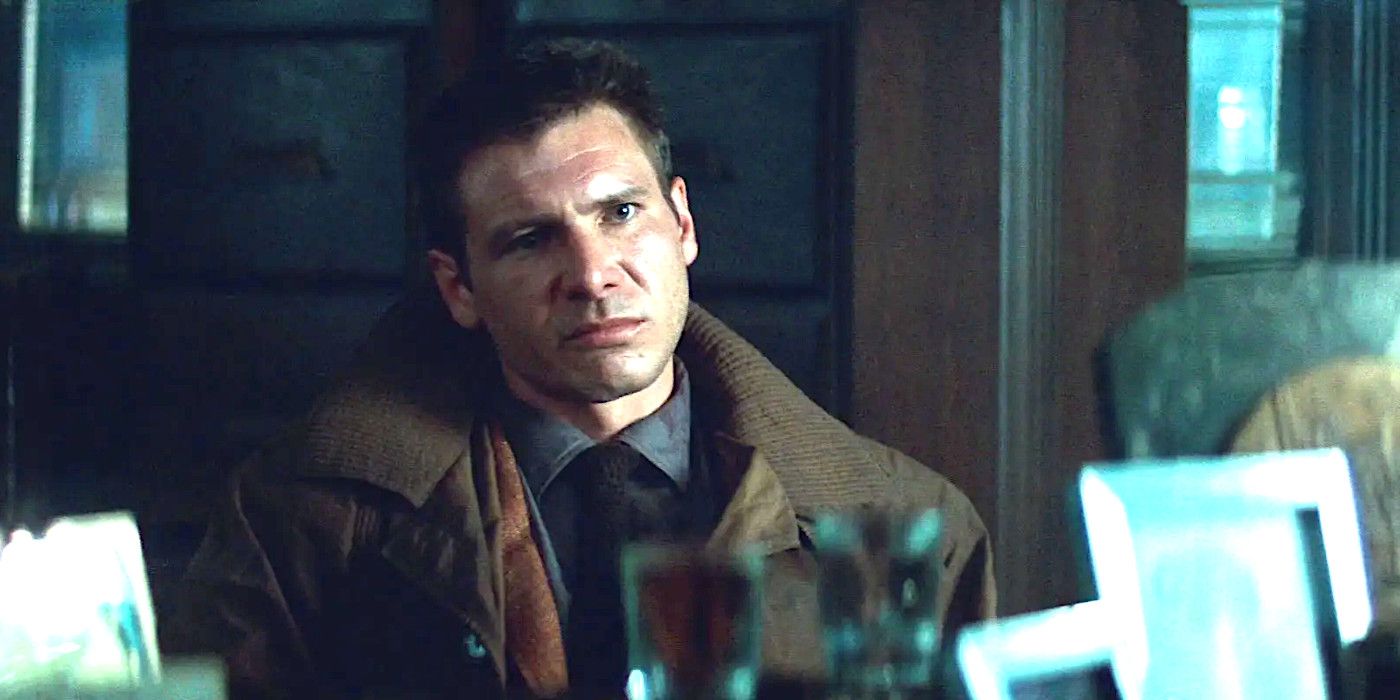
Analyzing the Cinematography of Blade Runner (1982)
![]() |
| Harrison Ford as Rick Deckard in Blade Runner (1982). |
Ridley Scott’s Blade Runner is not just a seminal work of science fiction; it’s a masterclass in cinematography that continues to influence filmmakers and captivate audiences. Released in 1982, the film’s visual style is a meticulous blend of dystopian noir and futuristic aesthetics, brought to life through the lens of director of photography Jordan Cronenweth.
Subscribe to:
Comments (Atom)